
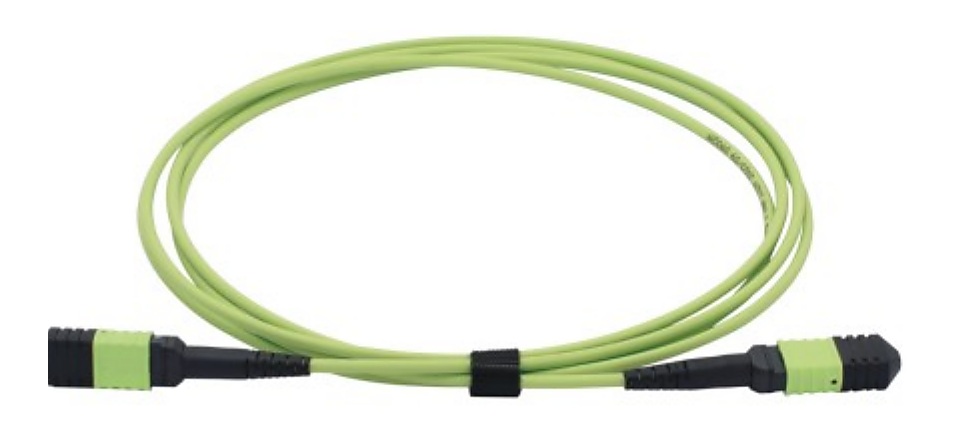
Why MTP/MPO RFQs Need System Context
MTP/MPO trunk cables are usually part of a larger high-density cabling path. A quotation may look complete when it includes fiber count and length, but the buyer still needs to confirm polarity, connector gender or interface, breakout method, panel or module-box relationship, label rules and installation handling.
For data center, telecom room and backbone cabling projects, the best RFQ is not just a cable list. It is a compact map of how each trunk cable connects to panels, modules, LC patch cords or equipment ports.
Core MTP/MPO Trunk Cable Specifications
- Assembly type: trunk cable, branch harness, fanout assembly or pre-terminated cable assembly.
- Fiber count: define the required fiber count from the cabling design and include quantity per type.
- Connector interface: MTP/MPO to MTP/MPO, MTP/MPO to LC breakout or other project requirement.
- Polarity: confirm the polarity method from the system design before comparing quotations.
- Fiber mode: singlemode or multimode according to the project and active equipment requirement.
- Length and route: list cable lengths and identify whether a pulling eye or installation protection is required.
- Label and packing: state port labels, project labels, color requirements and packing rules.
Common Buyer Scenarios
Data center expansion: quote MTP/MPO trunk cables together with MPO module boxes, LC uniboot patch cords, high-density patch panels and AOC/DAC or optical module needs where relevant.
Telecom or equipment room cabling: keep the trunk cable list connected to rack position, patch panel count and LC/SC patching requirements so the supplier can review practical assembly relationships.
Distributor order planning: separate project-specific assemblies from standard replenishment items. Use clear model notes, labels and packing requirements if the order will be resold.