
Use the BOM as a connected project map
This is not a replacement for a network design or link-budget review. It is a quoting checklist: keep every product line tied to an installation point, interface or project reference so a supplier can understand which components must work together.
1. Distribution and splitting lines
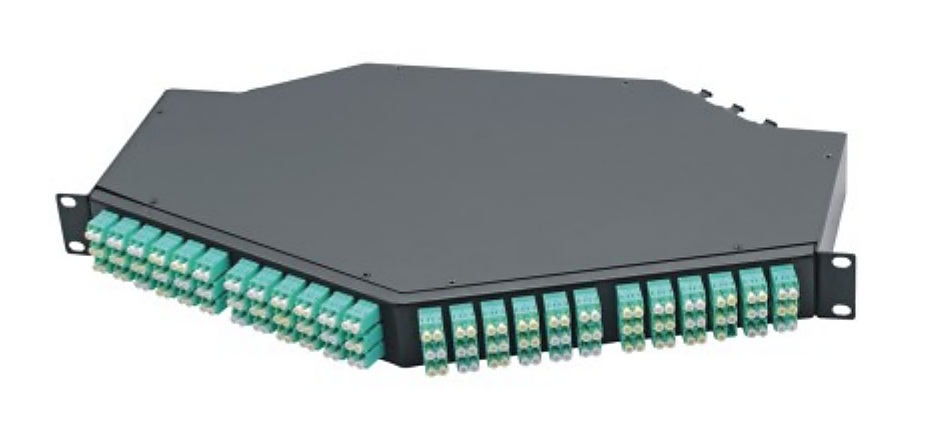
Identify the passive splitting and distribution context before listing the related access items. For each PLC splitter, include split ratio, package format, connector/polish where applicable, fiber and input/output length notes, quantity and the intended enclosure or location. For an ODF or patch panel, state mounting format, capacity, adapter interface, splice-tray or cable-entry notes and the connected fiber lines.
2. Drop and termination lines
For every FTTH drop cable line, state the cable type or project reference, fiber count, route or installation context where available, length, quantity and any packing requirement. Keep subscriber-side termination items on their own lines: pigtails need connector, polish, fiber, buffer/length and color sequence; adapters need connector family, format, polish, mode and installation point.
3. Field-connection and accessory lines
List fast connectors and FTTH accessories with the matching cable requirement, required quantity, related sleeve, clamp, hook or terminal-hardware line, and whether the request is bulk packing or project-kit packing. Do not assume a fixed kit configuration: a separate BOM row makes the scope reviewable.
Copyable mixed FTTH / ODN BOM fields
RFQ handoff checklist
- Keep one line per product configuration; do not combine unlike interfaces, lengths or quantities.
- Attach the current BOM, drawing or model list where available.
- Flag the items connected at the same ODF, splitter, terminal or subscriber-drop point.
- State destination country and packaging or labeling requirements.
- Use the FTTH network sourcing page for the broader product path, then send the completed BOM for quotation review.