
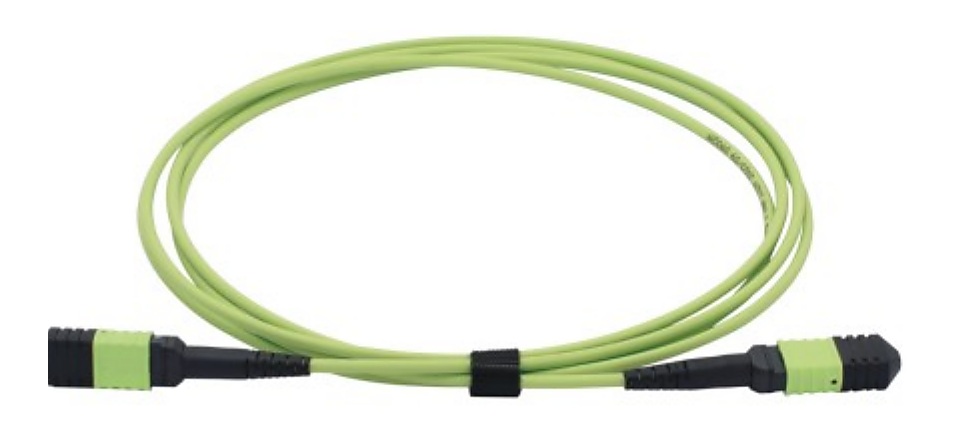
Start with the Connection Path, Not a Loose Product List
Terms such as MTP/MPO trunk cable supplier, MPO cassette module and high-density patch panel can all describe part of the same path. A quote becomes easier to compare when each line identifies its role: a backbone trunk, a cassette or module, a panel position, a harness or a short patch connection.
This article supports Lumafyn’s MTP/MPO cable assembly supplier page and the ODF and high-density patch panel range. For polarity details, use the separate MTP/MPO cable polarity guide rather than assuming the connection scheme from the cable name alone.
Connected BOM Fields for Trunks, Cassettes and Panels
Three RFQ Mistakes That Create Rework
- Counting ports but not connection roles: a port total alone does not show which lines are trunks, cassette handoffs or front-side patching.
- Mixing fiber counts on one line: separate configurations so the supplier can review every trunk and connected module against the intended endpoint map.
- Leaving the panel reference out: a cassette or module selection needs its enclosure, interface and port-plan context to be reviewed as part of the same BOM.
A Simple Line-Item Structure
Use one row for each unique assembly or hardware configuration. For example: trunk cable from distribution frame A to panel B; cassette or module at panel B; and the relevant panel or enclosure line. Add the same drawing reference to all linked rows. This approach keeps the data center fiber cabling RFQ traceable without claiming a topology that the buyer has not confirmed.