
Start With the Data Center Connection Path
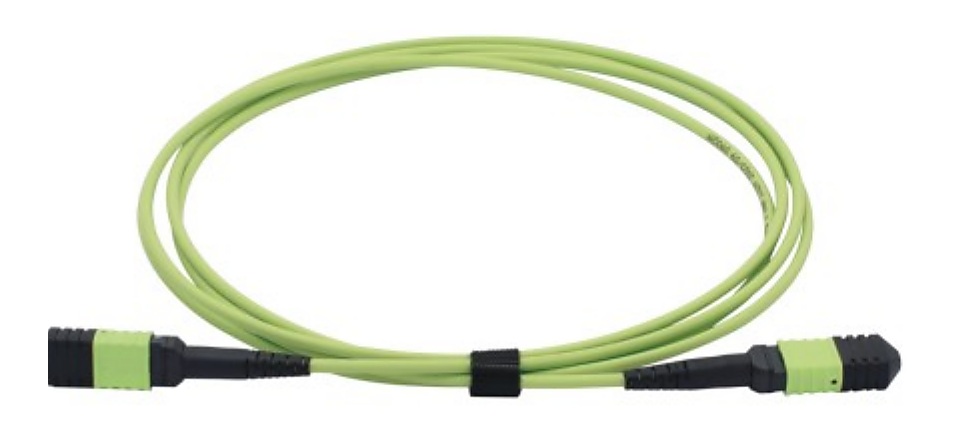
MTP/MPO cable assembly sourcing is different from a simple patch cord quote. The buyer needs to define the link path: rack to rack, panel to cassette, cassette to equipment, trunk to harness, or high-density panel to transceiver ports. Without that map, fiber count, polarity, gender and breakout design can be misunderstood.
Lumafyn supports MTP/MPO trunk cables, MTP/MPO branch harnesses, MTP/MPO-LC breakout assemblies, high-density patch panels, module boxes and connected data center interconnect products. Buyers can use this RFQ guide when planning 100G, 400G or 800G-ready fiber cabling paths.
MTP/MPO RFQ Fields
Buyer Checklist for 100G, 400G and 800G Planning
- Confirm whether the project uses BASE-8, BASE-12, BASE-16 or mixed migration requirements.
- State the transceiver or equipment side only when the buyer wants the supplier to check connected cabling compatibility.
- Provide a polarity reference or existing data center standard instead of relying on vague “standard MPO” wording.
- Separate trunk cable, harness cable and patch panel items into different RFQ rows.
- Include label, rack endpoint and packing rules when the order is for an installation project.
Common RFQ Mistakes to Avoid
Do not request only “MPO cable price” when the project needs a complete data center cabling path. A supplier needs the fiber count, polarity, gender, trunk or harness role, length schedule and connected hardware. If the buyer already has a rack elevation, panel map or transceiver list, attaching it helps Lumafyn review the MTP/MPO cable assembly request more accurately.