Buyer Guide · Data Center

MTP/MPO Fiber Cables Buying Guide for Data Center Projects

MTP/MPO fiber cables carry 8, 12, 16 or 24 fibers through one connector, which is why they dominate high-density data center backbones. Buying them well comes down to five decisions: the cable role, the fiber count, the connector gender and polish, the polarity method and the cable construction. This guide walks through each decision, shows how fiber count follows the transceiver you plan to run, and gives a line format for a request that suppliers can quote without guessing.

Published 2026-07-18 · Updated 2026-11-10 · By the Lumafyn Technical Team

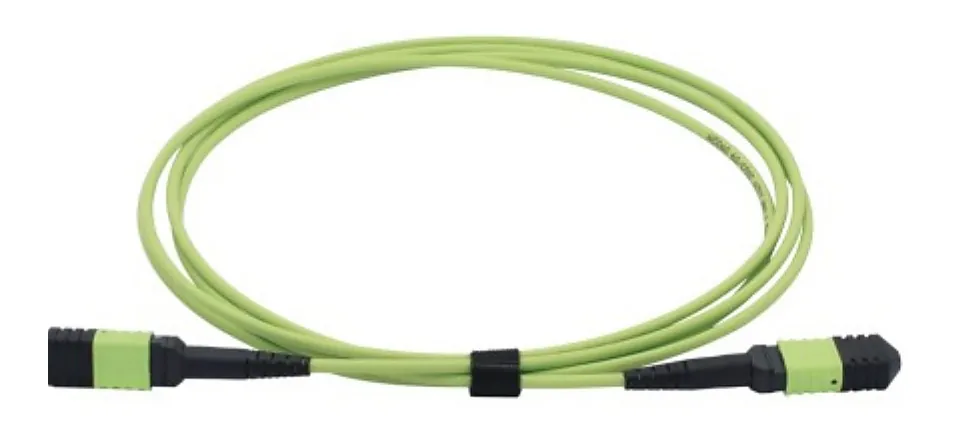
MTP/MPO trunk cable with multi-fiber connectors

Choose the Cable Role First

The role of the cable in the channel decides almost every other field. Name it on each line.

MTP/MPO cable roles
RoleConstructionWhere it is used
TrunkMTP/MPO on both ends, 8 to 144 fibers in one or several connectorsPanel to panel or zone to zone backbone
Branch harnessMTP/MPO on one end, LC or SC duplex legs on the otherPanel or cassette to duplex switch ports
Conversion harnessFor example two Base-8 connectors to one Base-12, or the reverseAdapting between connector fiber counts
FanoutMTP/MPO to individually jacketed legsBreakout where legs must run separately
Equipment cordMTP/MPO to MTP/MPO, short lengthTransceiver port to panel
MTP/MPO branch harness breaking out to LC duplex connectors

Fiber Count: Base-8, Base-12 and Base-16

Fiber count should follow the optics you plan to run. Many parallel transceivers use only some of the fibers in a 12-fiber connector, which is why Base-8 cabling became common.

Typical connector use by application (check the transceiver data sheet)
Application exampleFibers usedTypical interface
40GBASE-SR4 / 100GBASE-SR4 (multimode)8 (4 Tx, 4 Rx)MPO-12, outer 8 positions used
400GBASE-DR4 (singlemode)8MPO-12 APC
400GBASE-SR8 (multimode)16MPO-16
Duplex links via cassettes or harness2 per linkMPO-12 or MPO-24 to LC duplex

Base-12 cabling run to 8-fiber optics leaves four fibers dark in every connector; Base-8 uses all fibers but may not match an existing Base-12 plant. For expansions, keep the base the site already uses unless the design changes it on purpose. Interfaces are defined in IEEE 802.3 and the transceiver multi-source agreements, so the data sheet of the actual module is the reference.

Connector Gender, Polish and Loss

  • Gender. A pinned plug mates with an unpinned plug through an adapter. State pinned or unpinned at both ends of every line.
  • Polish. Multimode MTP/MPO is usually flat polished; singlemode usually APC. Do not mix them in one channel.
  • Loss. TIA-568 cabling standards allow up to 0.75 dB per mated connector pair. Short-reach parallel optics often have tight channel budgets, so many designs ask for lower-loss connectors; state the maximum you need and ask for per-connector test results.
  • Inspection. Ask for end-face inspection records; one contaminated fiber in a 12-fiber ferrule can take a lane down.

Polarity Method

Trunks are built as Type A, B or C, and the channel follows Method A, B or C with matching adapters and cords. State the method, or attach the drawing that defines it. Our MTP/MPO polarity guide explains the trunk types and methods in detail.

Cable Construction and Jacket Rating

Cable construction fields
FieldOptions to state
FiberOM3, OM4, OM5 multimode or OS2 singlemode
Cable formRound, flat ribbon, micro-cable, armored for exposed routes
Jacket ratingLSZH, or OFNR / OFNP where North American building codes apply; state the rating your site requires
DiameterMatters for tray fill and bend radius
PullingPulling eye or grip on one or both ends for conduit installation
Length and staggeringOverall length; staggered breakout lengths if legs land on different ports

Measure routes before ordering: trunks are made to length and cannot be shortened in the field without re-termination.

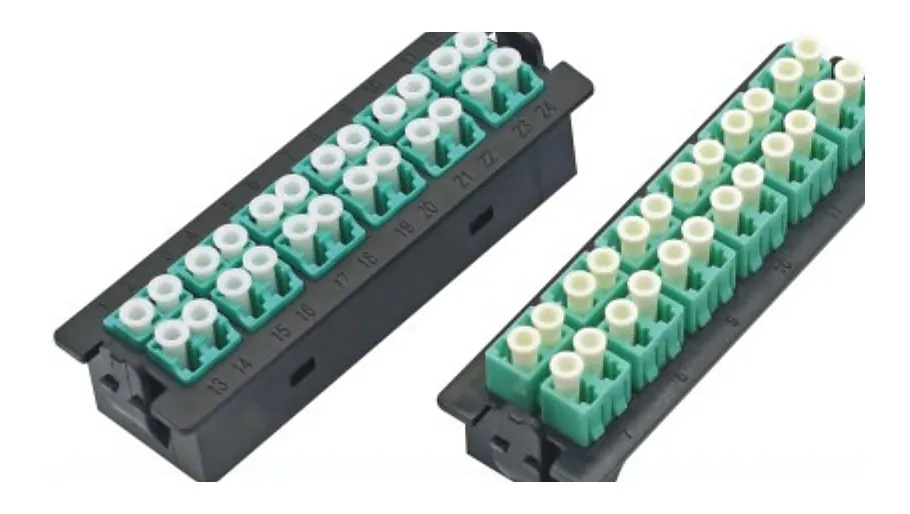
High-density fiber patch panel with LC adapters

A Quote-Ready MTP/MPO Line Format

MTP/MPO RFQ line
FieldExample
Line ID and BOM revisionMPO-11, Rev A, 2026-11-05
Role and endpointsTrunk, Row 3 panel P-07 to Row 9 panel P-02
Fibers24 fibers, OM4, Base-8 (3 × MPO-8 legs) or 2 × MPO-12
End A / End BPinned, flat / pinned, flat
PolarityMethod B, Type B trunk
CableLSZH round, 4.5 mm, pulling eye on end A
Length32 m, staggered legs 0.3 m
Labels, packing, quantityBoth ends per label schedule, reel, 12 pcs

Send connected lines in the same BOM (cassettes, panels, harnesses and LC cords) so the parts can be checked against each other. Mark open fields "to be confirmed" rather than leaving them blank.

Test Records and Documents to Request

MTP/MPO assemblies are tested per fiber, so the report should be per fiber too. Agree the format before the order so the records can be matched to line IDs at delivery.

MTP/MPO test records
RecordWhat it should show
Insertion loss per fiberMeasured loss for each fiber position at the stated wavelength, with the reference method used
Return lossEspecially for singlemode APC assemblies
Polarity checkThat each position arrives where the trunk type says it should
End-face inspectionPass/fail per ferrule, ideally with images for the first lot
Label and length checkLabel text and overall length against the line schedule

Keep test records with the line ID and serial number on the label. When a channel fails after installation, the record shows whether the cable left the factory within limits and which fiber to look at first.

Plan for Expansion

Data center cabling usually outlives two or three generations of optics. A few choices at purchase make later upgrades simpler: keep the same base and polarity method across halls, leave spare ports in panels, use cassettes or adapter panels that can be swapped without replacing trunks, and record every trunk in a port map. When moving from duplex to parallel optics, the trunk can often stay in place while cassettes are replaced by adapter panels and MTP/MPO equipment cords, provided the base and polarity were chosen with that in mind.

Common MTP/MPO Buying Mistakes

  • Count without base. "24 fibers" can be 2 × MPO-12 or 3 × MPO-8.
  • Gender left open. Two pinned plugs meet at an adapter.
  • Wrong jacket rating. A cable that does not meet the local building code cannot be installed.
  • No connected lines. Trunks ordered without the cassettes and cords they connect to.

FAQ

MTP/MPO Fiber Cables FAQ

What is the difference between MTP and MPO?

MPO is the generic multi-fiber push-on connector type defined in IEC 61754-7 and TIA-604-5. MTP is a brand of MPO-compatible connector from US Conec. They are intermateable when gender and polish match.

Should I choose Base-8 or Base-12 MTP/MPO cables?

Choose Base-8 when most links run 8-fiber parallel optics and the site is new. Keep Base-12 when expanding an existing Base-12 plant or running duplex links through cassettes.

What jacket rating do MTP/MPO fiber cables need?

It depends on local codes and the installation space. LSZH is common in many markets; OFNR or OFNP ratings are used under North American codes. Check the site requirement.

How much loss is allowed for an MTP/MPO connection?

TIA-568 cabling standards allow up to 0.75 dB per mated pair, but short-reach parallel optics often need lower values. Specify the maximum and ask for test results per connector.

What do you need to quote MTP/MPO fiber cables?

Role and endpoints, fiber count and base, fiber type, gender and polish at both ends, polarity method, cable construction and rating, length, labels, packing and quantity.

Sources and Further Reading

Standards and public references describe definitions and industry practice; they are not Lumafyn product data. Optical values, MOQ and lead time for your order are confirmed in your quotation and test records.

Related products and guides

Get a Quote