Product Insight · Pigtails

12-Color Fiber Pigtail Sets: Fiber Pigtail Color Order, Trays and RFQ Lines

A 12-color pigtail set gives each fiber in a splice tray its own color, so technicians can match pigtails to cable fibers without tracing. The fiber pigtail color order most often used follows TIA-598: blue, orange, green, brown, slate, white, red, black, yellow, violet, rose and aqua. Some operators and countries use a different sequence, so the color code has to be stated. This guide covers the color order, buffer and length choices, how the set fits the tray and ODF, and how to write it on a request.

Published 2026-11-05 · Updated 2026-11-10 · By the Lumafyn Technical Team

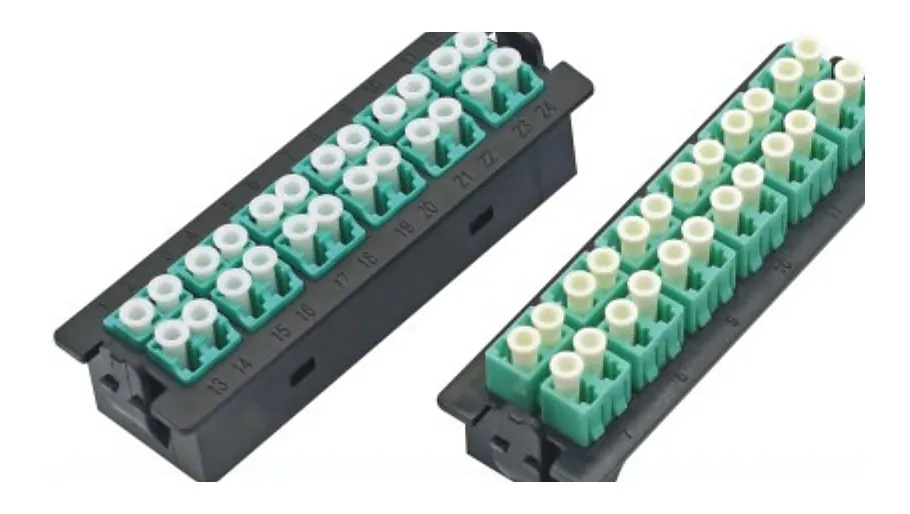
High-density fiber patch panel with LC adapters

The 12-Color Sequence

TIA-598 fiber color order
PositionColorPositionColor
1Blue7Red
2Orange8Black
3Green9Yellow
4Brown10Violet
5Slate11Rose
6White12Aqua

Fibers 13–24 often repeat the sequence with a stripe or dash marking. Regional codes, such as some European operator standards, use different orders; the FOA color code reference lists several. State the code that applies to your network.

Pigtail Construction Choices

  • Connector and polish: SC/APC, SC/UPC, LC/UPC, LC/APC or FC, matching the adapters in the panel.
  • Fiber: OS2 G.652.D, G.657.A1 or multimode grades.
  • Buffer: 0.9 mm tight buffer is common inside trays; state any other size.
  • Length: long enough to route from adapter to splice point with slack; state it per set.
  • Colored buffer vs colored boot: specify whether the buffer, the boot, or both carry the color.

Matching the Set to the Tray and ODF

A pigtail set should be ordered for a specific tray or panel position. Record the tray capacity (for example 12 or 24 splices), the adapter type and count on the panel, and the routing path. If one tray holds 12 splices, a 12-color set maps one-to-one; for 24-fiber trays, specify how the second group is marked.

Blue SC simplex fiber adapter with dust cap and laser warning label

How Color Sets Speed Up Splicing

In a typical ODF or closure, cable fibers arrive in loose tubes or ribbons that already follow a color code. When the pigtails in the tray follow the same code, the technician splices blue to blue, orange to orange and so on, without looking up a table or tracing each pigtail back to its adapter. The adapter position on the panel then matches the fiber number in the cable record. This reduces crossed fibers, makes acceptance testing easier because the port number equals the fiber number, and helps later repairs because any technician can read the tray. The benefit only holds if the color code of the pigtail set, the cable and the port numbering all agree, which is why the code belongs on the order.

Records That Keep Trays Readable

  • Tray label with cable ID, fiber range and color code.
  • Port map linking adapter positions to cable fibers.
  • Splice record with loss per splice where measured.
  • Set batch noted for traceability.

Pigtail Set RFQ Line

The line below shows the format with illustrative values; it is not a customer order.

Example pigtail set RFQ line (illustrative values)
FieldExample
Line ID and revisionPT-12A, Rev A
Set12 pigtails, TIA-598 color order, colored buffer
Connector and polishSC/APC
Fiber and bufferG.657.A1, 0.9 mm
Length1.5 m
Tray / ODF referenceTray model or ODF shelf and adapter panel
PackingOne set per bag, labelled with line ID
Quantity and destination400 sets, Germany

Mark open fields "to be confirmed per project".

Checks to Request

  • Insertion and return loss per pigtail connector.
  • End-face inspection.
  • Color order check against the stated code.
  • Length and label check per set.

Common Mistakes

  • Color code not stated for a network that uses a regional sequence.
  • Pigtails ordered loose instead of in sets matched to trays.
  • Polish not matched to the adapters.
  • Lengths too short for the tray routing.

FAQ

Fiber Pigtail Color FAQ

What is the standard fiber pigtail color order?

TIA-598: blue, orange, green, brown, slate, white, red, black, yellow, violet, rose, aqua. Some regions use different sequences.

Why buy pigtails as 12-color sets?

Each fiber in a tray gets a unique color, which speeds splicing and reduces errors.

Which buffer size is used for pigtails?

0.9 mm tight buffer is common in splice trays; state another size if your trays need it.

How long should pigtails be?

Long enough to route from the adapter to the splice point with slack for re-splicing; it depends on the tray and panel.

What do you need to quote pigtail sets?

Color code, set size, connector and polish, fiber and buffer, length, tray or ODF reference, packing, quantity and destination.

Get a Quote