
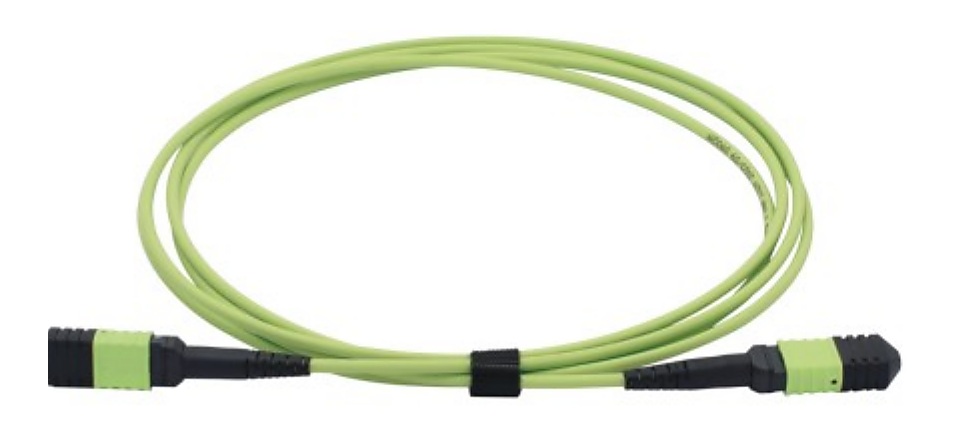
Buyer Summary
Current public data-center cabling resources continue to frame high-density optical infrastructure around multi-fiber connectivity, structured pathways and a clear relationship between passive cabling and the active equipment it serves. They do not identify a Lumafyn project, approved part number or compatibility requirement. The practical sourcing step is to request the full link context before comparing separate trunk, harness, patch-cord, AOC/DAC or transceiver quote lines.
Current Market Signals
Corning’s current data-center cabling overview describes multifiber trunks connecting distribution areas and notes that pathway planning and trunk lengths need to be considered together. For RFQs, record the route or endpoint context and any length schedule rather than supplying only a fiber-count label.
Corning’s 40/100G connectivity resource distinguishes parallel-optic and duplex-fiber approaches and discusses MTP-to-LC connectivity. That is a design-context signal, not a substitute for an application-specific link review or a statement of product interoperability.
Siemon’s current data-center overview groups MPO connectivity with DACs, AOCs and transceivers for AI- and cloud-oriented environments. Buyers can therefore include the switch/server port context and intended interconnect type alongside the passive-cabling line items.
Comparable buyer guides from FS, Corning and Siemon consistently use terms such as trunk, harness, polarity, MPO connectivity and active-interface context. These are terminology and content-structure observations only; Lumafyn does not copy their specifications or claim cross-brand compatibility.
Connected MTP/MPO RFQ Fields
- Link role: state whether the requested item is a trunk, branch harness, conversion cable, patch cord, pigtail or a connected panel/cassette line.
- Fiber and connector path: provide the required fiber mode, fiber count, connector interface and polarity or mapping information when the design requires it. Attach a drawing or existing BOM reference when available.
- Topology: identify the two endpoints and the intended breakout or transition path. This helps keep the trunk, harness, cassette and patching lines in the same review scope.
- Physical-installation context: include route or length schedule, rack/row/room location, and any pulling, labeling or packing requirements known to the buyer.
- Active-equipment context: for links associated with optical transceivers, AOC or DAC, include the product type, port/interface, required speed and distance, plus switch or server brand/model for review. These details do not by themselves confirm compatibility.
- Commercial handoff: send quantities by line item, drawings/reference models where available, destination country and packing requirements. A generic cable name alone does not establish price, stock, lead time, certification or project fit.
Lumafyn RFQ Focus Today
Lumafyn can review RFQs for MTP/MPO trunk and branch-harness cables, ODF and high-density patch panels, fiber optic patch cords and optical transceiver, AOC and DAC sourcing. Send the link role, endpoint/interface details, drawings or BOM references, quantity, packing needs and destination country to sales@lumafyn.com or use the contact page. This page does not claim pricing, stock, lead time, certification or project-specific compatibility.