
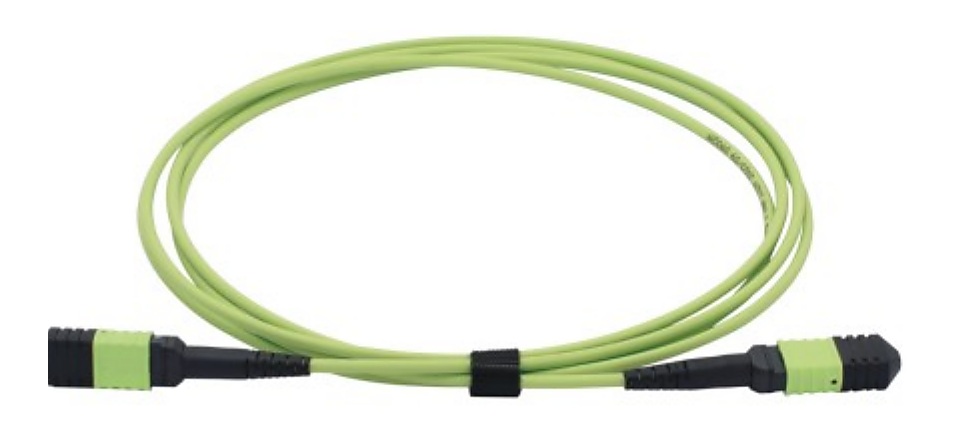
Buyer Summary
Public infrastructure and connectivity sources point to continuing planning around access networks and high-density optical paths. They do not prescribe a Lumafyn design, part number or compatible configuration. The useful procurement response is to document the requested channel: both endpoints, the assembly’s role, the project’s mapping reference and the connected hardware context.
Current Market Signals
The NTIA BEAD Progress Dashboard, dated April 13, 2026, says all 56 eligible entities had submitted Final Proposals; 53 had NTIA approval and 51 had NIST approval. For sourcing teams, it is a planning signal to distinguish feeder, distribution, central-office and equipment-room lines in the BOM rather than treating every multifiber assembly as the same request.
The FCC explains that its National Broadband Map uses location-specific availability information filed by providers twice a year. A buyer can use this type of project-location context in an RFQ, but it does not establish an assembly specification or product fit.
For high-density connectivity, Corning’s MTP connectivity overview and CommScope’s cable-assembly category both organize trunk, assembly and pathway concepts. Fluke Networks’ current polarity explainer highlights the channel-level nature of polarity documentation. These are buyer-language and information-architecture signals only; they are not Lumafyn specifications, interoperability statements or performance claims.
RFQ Checklist: Make the Channel Reviewable
- Line and role: give each line a BOM reference and identify whether it is a trunk, branch harness, fanout, conversion assembly or another documented role.
- Endpoints: name the two endpoints and their physical context, such as panel, cassette, ODF, rack, equipment or pathway. Include drawings where they affect the required assembly.
- End presentation: list the fiber count and mode when the project specifies them, plus connector family and presentation at each end. Do not infer these from “MPO” alone.
- Mapping record: attach the applicable channel, polarity or mapping document, existing approved part reference, or link drawing. A supplier should not select a mapping solely from a generic cable description.
- Length and identity schedule: provide length, quantity, label convention and destination for every distinct assembly line.
- Commercial handoff: state packing needs, destination country and any requested documentation or inspection scope. This update makes no claim about price, inventory, lead time, certification or project approval.
Where Lumafyn Can Help
Lumafyn can review RFQs for MTP/MPO trunk, branch harness and pre-terminated cable assembly requirements with connected ODF and patch-panel, fiber patch-cord, and AOC, DAC and optical-transceiver lines. Use the MTP/MPO Fiber Cables Buying Guide with the polarity guide, then send the BOM, drawing, quantities, packing needs and destination to sales@lumafyn.com or the contact page.