
Start With the Interface, Not the Generic Product Name
A pigtail requirement may include SC, LC, FC or ST connector options, while an adapter line may be simplex, duplex, quad or hybrid. The useful starting point is the connection path: which port is on the ODF, terminal box or splice arrangement, and what connector and polish must meet at that port.
Record the pigtail and adapter as linked BOM lines when they serve the same interface. This does not assume a particular project design; it gives a supplier the context needed to identify missing information and lets procurement teams compare equivalent offers.
Fields for a Fiber Optic Pigtail Supplier RFQ
Match the Adapter Line to the Pigtail Interface
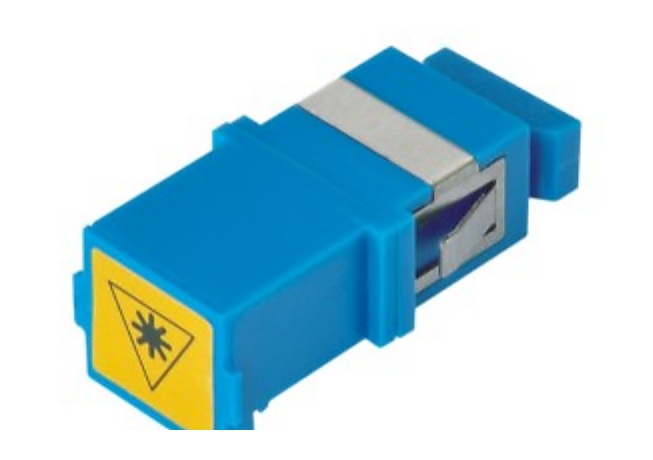
The adapter RFQ should make the interface explicit. Identify its connector family, polish where applicable, mode, body format and the number of ports required. If a project uses a mixed interface or a hybrid adapter, put that requirement on its own BOM line instead of hiding it in a note.
- Panel context: identify the ODF, patch panel, terminal box or enclosure where the adapter will be used.
- Port format: separate simplex, duplex and quad needs so the count can be checked against the panel layout.
- Interface consistency: check that connector family and polish match the pigtail line and the intended connection path.
- Related items: list splice trays, ODF hardware, PLC splitters or FTTH accessories when they are part of the same project scope.
Common Mistakes That Slow an Accessory Quotation
- Requesting “SC pigtails” without the polish, fiber type, length or quantity.
- Giving a total set quantity without stating whether all colors and connector details are the same.
- Listing adapters without a simplex, duplex, quad or hybrid format.
- Mixing UPC and APC requirements in one uncontrolled line item.
- Leaving the ODF or enclosure interface out of an accessory-only inquiry.
- Sending pigtails and adapters in separate lists without an installation or BOM reference.
Copyable ODF Pigtail & Adapter RFQ Checklist
- Pigtail connector type and polish for each line
- Fiber type, buffer diameter, length and color sequence or color requirement
- Pigtail quantity by connector, fiber and length combination
- Adapter connector family, mode, body format and port quantity
- ODF, patch panel, terminal box or splice application
- Related ODF hardware, PLC splitters, drop cable or FTTH accessories where applicable
- Packing, label, destination-country and BOM/drawing reference requirements