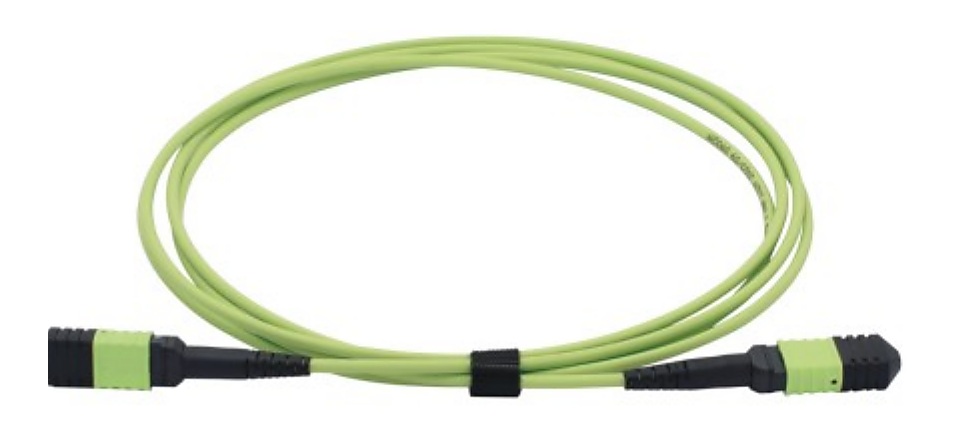
Data Center Backbone

MPO/MTP Trunk Cable Supplier for Data Center Backbones

An MPO/MTP trunk cable is a pre-terminated multi-fiber cable with an MPO-type connector on each end, used to run 8, 12, 24 or more fibers between patch panels, cassettes or equipment in a single pull. As an MPO/MTP trunk cable supplier, Lumafyn sources trunks to your fiber count, fiber type, polarity method, connector gender, length and pulling requirements, and confirms test records and labelling in the quotation before production.

Last reviewed 2026-11-10 by the Lumafyn team · Orders are produced in our own factory in China.

MPO MTP trunk cable assembly for data center backbone cabling

What an MPO/MTP Trunk Cable Does

A trunk is the permanent backbone of a high-density channel. Instead of pulling and terminating dozens of single fibers on site, a pre-terminated trunk arrives tested, is pulled between racks or rows, and plugs into MPO cassettes, adapter panels or harnesses. That shortens installation and keeps loss predictable. Trunks are one type of MTP/MPO cable assembly; harness, breakout and conversion cables are covered on that page.

Typical Trunk Uses

  • Row-to-row and room-to-room backbone links in data centers
  • Spine-leaf links for 40G, 100G, 400G and 800G parallel optics
  • Cassette-to-cassette links that break out to LC duplex at each end
  • Telecom equipment-room backbones where space for splicing is limited
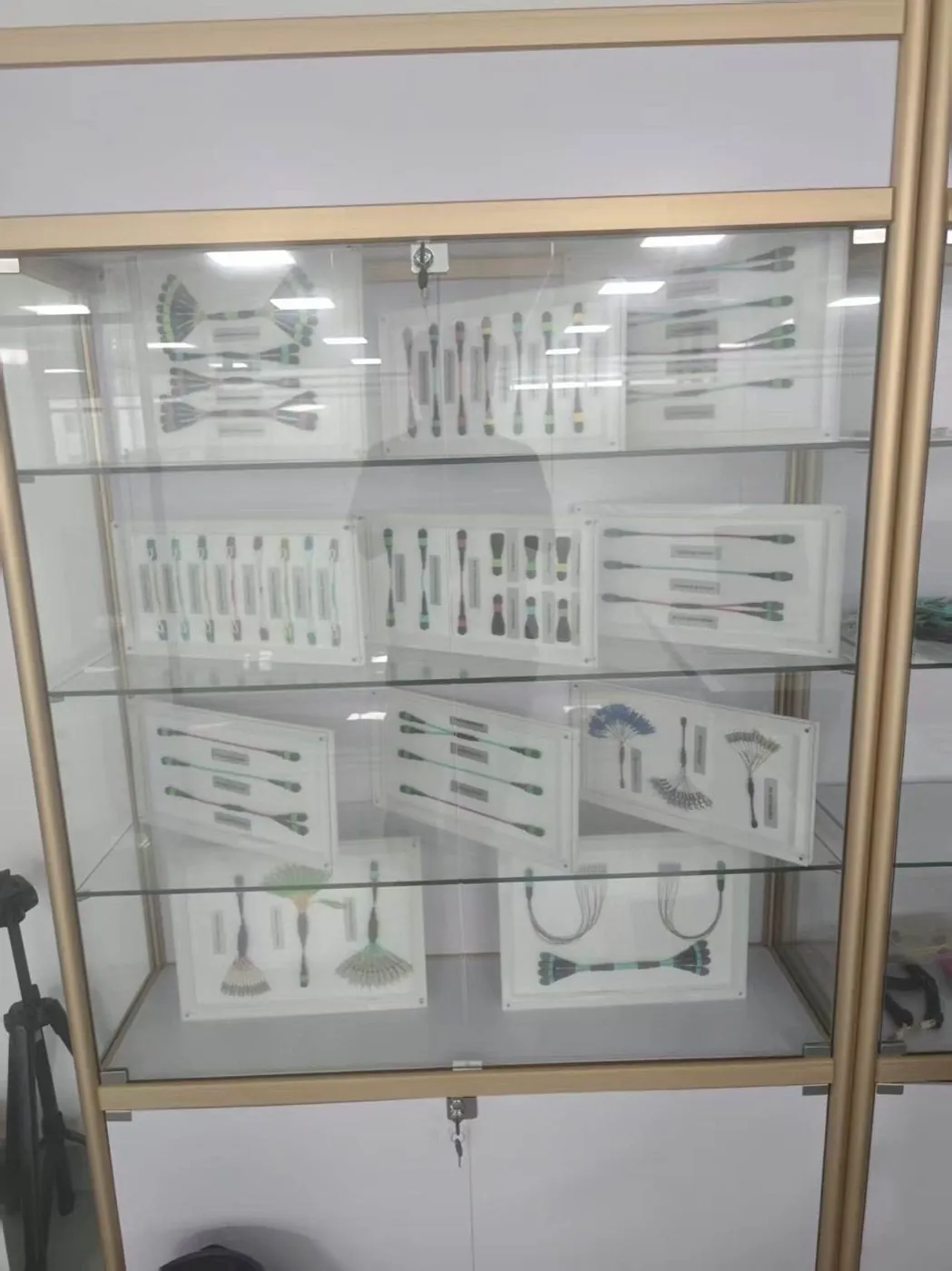
Glass display cabinet holding framed fiber patch cord and cable assembly samples
Sample photos and drawings help confirm trunk format, polarity, gender and labels before production.

Polarity and Fiber Count

MPO Trunk Polarity and Base-8 vs Base-12

Polarity and fiber count are channel decisions. Pick them once for the whole link, then order every trunk, cassette and cord to match. The MTP/MPO polarity guide walks through examples.

MPO trunk polarity methods (ANSI/TIA-568.3-D)
MethodTrunk key orientationFiber mappingNotes
Type AKey up to key downStraight through: 1→1 … 12→12Duplex channels use an A-to-B cord at one end and an A-to-A cord at the other
Type BKey up to key upReversed: 1→12 … 12→1Common for parallel optics; both ends use A-to-B cords
Type CKey up to key downPair-wise flip: 1→2, 2→1 …Used in some duplex designs; less common
Base-8 vs Base-12 trunks
FieldBase-8Base-12
Fibers per connector used812
Typical optics8-fiber parallel optics (e.g. 40G/100G SR4)Duplex links via LC cassettes; legacy designs
Fiber utilization with SR4All fibers used4 fibers unused per connector
Fiber counts8, 16, 24, 32 …12, 24, 48, 72 …

Buyer Checklist

Before You Request a Trunk Quote

Fiber count and type

Count per connector and per cable, plus OS2, OM3 or OM4.

Polarity and gender

Method A, B or C, and pinned or unpinned at each end, matched to cassettes and optics.

Polish

Singlemode MPO is usually APC; multimode MPO is usually flat-polished. Confirm against the equipment.

Length and routing

End-to-end length, slack, pulling grip and any staggered breakout at the ends.

Jacket

LSZH for many European buildings; OFNR or OFNP where North American codes apply.

Testing

Insertion loss per MPO and end-face inspection records; TIA-568.3-D allows at most 0.75 dB per mated pair as a design ceiling, and the values for your order are set in the quotation.

FAQ

MPO/MTP Trunk Cable Questions

What is the difference between MPO and MTP trunk cables?

MPO is the multi-fiber push-on connector interface defined in IEC 61754-7 and TIA-604-5. MTP® is a US Conec brand of MPO-compatible connector. If your specification requires genuine MTP® connectors, state it in the RFQ; otherwise trunks are quoted with MPO connectors.

Which polarity method should I choose?

TIA-568.3-D defines methods A, B and C. The trunk polarity must match the cassettes, harnesses and patch cords in the same channel, so choose it with the channel design, not per cable. If you are unsure, attach the link drawing and we will flag mismatches before quoting.

Pinned or unpinned trunk ends?

Two mated MPO connectors need one pinned (male) and one unpinned (female). Choose trunk ends to suit what they plug into: cassettes and equipment ports each have a fixed gender.

Base-8 or Base-12?

Base-8 uses all fibers on 8-fiber parallel optics such as 40G/100G SR4; Base-12 is common in legacy and LC-breakout designs. Choose by the optics and cassettes in the channel.

Can you supply trunks with pulling grips and labels?

Yes, pulling eyes or grips, furcation and staggered break-out lengths, and labels at each end can be specified per line; details are confirmed in the quotation.

Get a Quote