
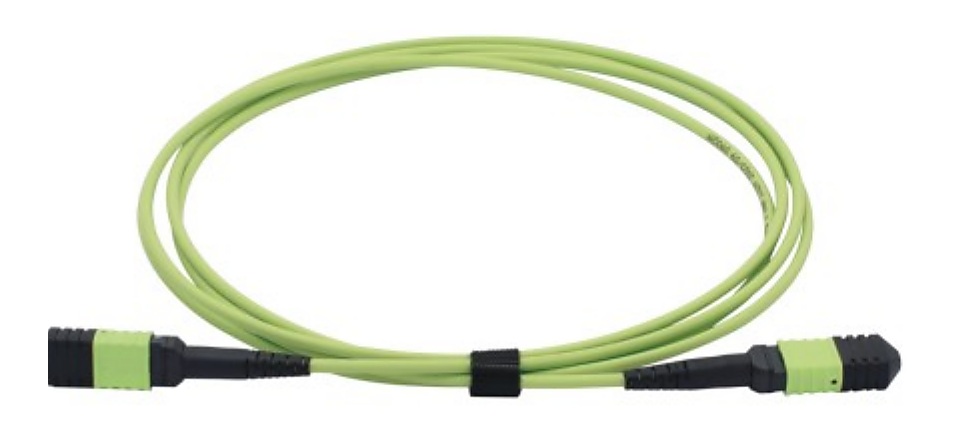
Buyer Summary
For telecom contractors, distributors and data-center cabling teams, a traceable cable-assembly request makes comparison and project coordination easier. It separates the buyer-controlled design record from market context, so an RFQ can be reviewed without presuming a topology, compatibility, price, inventory position, certification or delivery date.
Current Market Signals
The Fiber Broadband Association’s 2025 deployment-cost report describes rising labor, material, permitting and make-ready pressures, and reports that 88% of its respondents expected further cost increases in 2026. This is planning context, not a project specification; it supports keeping scope and revision references attached to each cable-assembly line.
In its 2026 outlook, Corning identifies increasing physical density and multi-building AI-campus connectivity as planning themes. A buyer should translate that context into the actual pathway, endpoint and density constraints from the project’s own documentation rather than assume a particular product configuration.
CommScope’s public data-center resource area groups panels, modules, adapter packs and cable assemblies in a connected system view. The practical RFQ lesson is to identify the panel, cassette or equipment context where it affects an assembly end, and to provide the buyer-approved drawing or port map.
Fiber Assemblies RFQ Checklist
- Line role: state whether the line is a patch cord, pigtail, trunk, branch harness, conversion cable or another buyer-defined assembly role.
- Endpoint record: provide the documented endpoint or equipment/panel reference, connector and polish requirement at each end, plus fiber type where specified.
- Channel record: attach the buyer-approved mapping, polarity or port-map reference where the assembly is part of a multi-fiber channel. Do not infer it from an MPO/MTP label.
- Physical schedule: list length by line, routing or pulling context if relevant, label text or labeling reference, quantity and revision date.
- Commercial handling: include requested packing, destination and any buyer-controlled document requirements. Lumafyn does not infer price, stock, lead time, certification or project approval from this checklist.
Choose the Right Supporting Path
Use the fiber optic cable assemblies selection guide for a broad selection checklist. For high-density paths, review the MTP/MPO cable assembly page, the MTP/MPO fiber cables buying guide and the polarity guide. Buyers combining assemblies with frame hardware can also review ODF and patch panels and the data-center fiber cabling solution.
FAQ for Cable Assembly Buyers
What should a fiber optic cable assembly RFQ include?
Include the application and endpoint role, connector and fiber details at each end, a buyer-supplied mapping or polarity reference where relevant, length and label schedule, quantities, packing request and destination.
Do market reports select an assembly design or supplier?
No. They are planning context only. Use your own drawing, topology, interface record and project requirements for an RFQ review.
Where Lumafyn Can Help
Lumafyn can review documented requests for fiber optic patch cords, MTP/MPO trunk and harness cables, pigtails, adapters and related passive-fiber items. Send the buyer-controlled BOM, drawings or mapping record, quantities, packing request and destination to sales@lumafyn.com or use the contact form.