
Buyer Summary
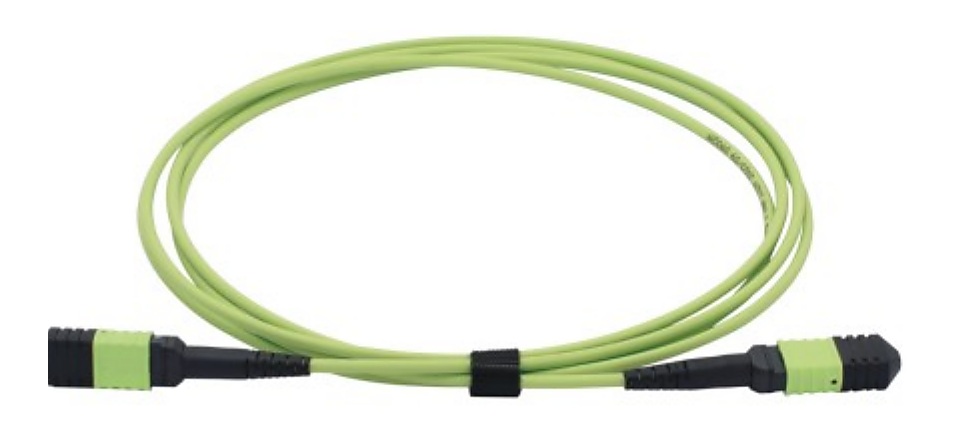
Public cable-assembly pages continue to distinguish MTP/MPO assemblies, patching, pigtails, trunks, panels and cassettes. That vocabulary helps buyers organize a BOM; it does not select a connector, fiber count, mapping, product design or acceptance criterion for a specific project. Start with the buyer-controlled path and attach the applicable record to the RFQ.
Current Signals for High-Density Cabling Buyers
Corning’s optical cable-assembly overview separates fiber, cable design and connector considerations and identifies single-fiber through multifiber assembly contexts. Use this only as a prompt to describe each requested line, not as a substitute for the buyer’s design.
CommScope’s data-center assembly category groups patch cords, pigtails, MPO assemblies and other assembly types. For an RFQ, make the line role explicit and identify the connected panel, cassette or equipment reference where it is relevant.
AFL’s MPO cable-assemblies page describes MPO-to-MPO and MPO-breakout usage contexts. These are buyer-search terms, not a declaration that a particular breakout or connection format fits an individual design.
Corning’s public frame and cassette discussion shows the market vocabulary around frames, patch panels and MTP/MPO cassettes. Keep a project’s actual panel and port requirements in its controlled BOM or drawing.
Four Fields for a Trunk-to-Panel RFQ
1. Identify the line and its role
- Assign a buyer-controlled line ID and state whether the line is requested as a trunk, harness, conversion line, patching line or another documented role.
- State quantity and the requested length against that line, rather than supplying one general length for an entire project.
2. Record both ends and the connected hardware
- List end A and end B using the buyer’s requested connector and interface description.
- Reference the applicable panel, cassette, ODF, adapter or equipment location only when it appears in the buyer’s documents.
- Where the project uses multifiber mapping or a port plan, attach the controlled drawing or record and identify its revision.
3. Keep mapping and acceptance buyer-controlled
- State the applicable mapping or polarity reference where required; do not ask a supplier to infer it from an MTP/MPO label.
- Keep any inspection, record, packaging or acceptance request tied to the buyer’s own requirement and approval path.
4. Finish the commercial handover
- State label text, packing request, destination and the owner of the current BOM or drawing revision.
- Flag a conflict between the line schedule and the attached record for clarification before quotation review.
Related Buyer Guides
Use the MTP/MPO fiber cables buying guide to organize the assembly request, then consult the MTP/MPO polarity guide when the buyer has a defined mapping reference. The ODF panel, module and cassette guide helps identify the relevant housing or panel context. For the product RFQ, see MTP/MPO cable assemblies and ODF / patch panels.
FAQ
What should an MTP/MPO trunk-to-panel RFQ include?
Include the buyer-controlled line ID, endpoints, stated trunk or harness role, requested fiber and connector details, panel or cassette reference, mapping or port-map reference where applicable, length, quantity, labels, packing, destination and drawing or BOM revision.
Can a supplier choose the MTP/MPO mapping from the connector name?
No. The buyer should state the applicable mapping or provide the controlled link record. A connector name alone does not define the project path or acceptance requirements.
Send a Reviewable MTP/MPO RFQ
Lumafyn can review a documented request for MTP/MPO cable assemblies, ODF / patch panels, patch cords and related passive-fiber items. Send the buyer-controlled BOM or drawing, line schedule, quantity, packing request and destination to sales@lumafyn.com or use the contact form.