
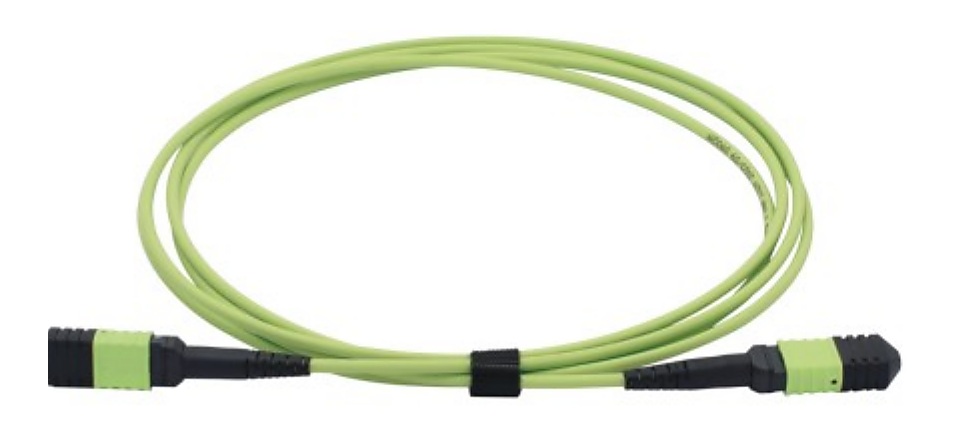
Describe the Connection Path Before Naming the Assembly
“MPO to LC harness” is a useful starting label, but it does not identify how the assembly connects. For each line, identify the high-density end, the breakout end, the equipment, cassette or panel it serves, and whether the request is a branch harness, fanout or another pre-terminated cable assembly. This gives a purchasing team a repeatable way to compare offers without assuming a specific network design.
Lumafyn supports MTP/MPO trunk cables, branch harness cables, fanout assemblies and pre-terminated fiber cable RFQs. When a harness follows a trunk, include both lines and the connection context in the same BOM.
Fields for an MTP/MPO Branch Harness Cable RFQ
Build a Connected BOM, Not Isolated Cable Lines
Where a branch harness works with a trunk, cassette, module box or high-density panel, make those relationships visible. A simple BOM can use one row per assembly and cross-reference the rack, cabinet, zone or drawing identifier. This is especially useful when the MTP/MPO side and breakout side serve different interfaces.
- Trunk or upstream line: identify the associated high-density cable and its endpoint.
- Harness line: record the branch configuration, end interfaces, polarity reference and each length value.
- Panel or cassette line: include port plan and connector format when the hardware is part of the same path.
- Downstream line: add LC patch cords, transceivers, AOC/DAC or other connected items only when they are within the RFQ scope.
Common RFQ Mistakes
- Writing “MPO harness” without showing the connector configuration at both ends.
- Giving one overall length when the breakout legs need their own length list.
- Omitting the fiber count, fiber mode or polarity/channel reference.
- Combining trunk and harness requirements into one generic cable line.
- Leaving out the cassette, panel or equipment interface that explains the breakout side.
- Using a BOM revision without marking which drawing or port plan the cable line follows.
Copyable MTP/MPO Harness RFQ Checklist
- Assembly role: branch harness, fanout or trunk transition
- Fiber count and fiber mode required by the project
- MTP/MPO-side and breakout-side connector configuration
- Polarity method or attached channel/port drawing
- Trunk, harness and breakout-leg lengths where applicable
- Quantity, cable color, label rule, packing and destination
- Related trunk, cassette, module box, panel or equipment reference
- BOM revision, rack layout or drawing reference for the quotation review