
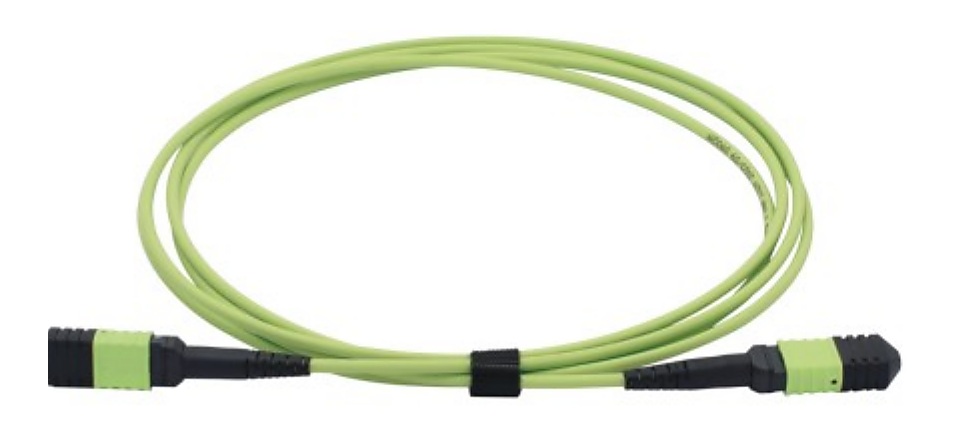
Describe What the Cable Converts Between
“MTP/MPO conversion cable” describes a purchasing need, but it is not a complete assembly definition. Before requesting a quote, name the interface at each end, the connected equipment, panel or cassette, and the purpose of the transition. This helps distinguish a conversion assembly from a trunk, a branch harness or an ordinary patch cord.
Lumafyn supports MTP/MPO trunk, branch harness, fanout and pre-terminated cable assembly RFQs. A clear endpoint map lets a buyer keep these related assembly lines separate while still showing how they work together in a data center or telecom cabling BOM.
Specification Checklist for a Conversion Assembly
Turn the Connection Path Into a Reviewable BOM
A useful conversion-cable BOM records each component that determines the interface. The aim is not to prescribe a network design; it is to give the quoting team enough context to check the requested endpoints and identify missing details early.
- Upstream cable or panel: identify the source-side connector format and port reference.
- Conversion assembly: record both endpoint configurations, fiber count, mode, polarity reference and length.
- Transition hardware: include a cassette, module box or high-density patch panel when it is part of the same path.
- Downstream connection: add patch cords, transceivers, AOC/DAC or equipment references only when they are in scope.
Common RFQ Errors to Avoid
- Using “conversion cable” without identifying the interface at each endpoint.
- Listing a fiber count but omitting fiber mode or the connected port plan.
- Providing a polarity label without a drawing or channel reference when the project uses one.
- Mixing trunk, conversion and branch-harness lines into one generic assembly description.
- Giving one total length for multiple BOM lines with different routing needs.
- Leaving out labels, quantities, packing, destination or the controlling drawing revision.
Copyable MTP/MPO Conversion Cable RFQ Checklist
- Connection purpose and endpoint equipment, panel or cassette references
- Connector/interface configuration at both ends
- Fiber count, fiber mode and required polarity or attached channel drawing
- One length value for each BOM line
- Quantity, cable color, label rule, packing and destination
- Related trunk, harness, cassette, module box or patch-panel line
- BOM revision and rack, cabinet, zone or drawing reference