
Why a Generic “Test Report Required” Note Is Not Enough
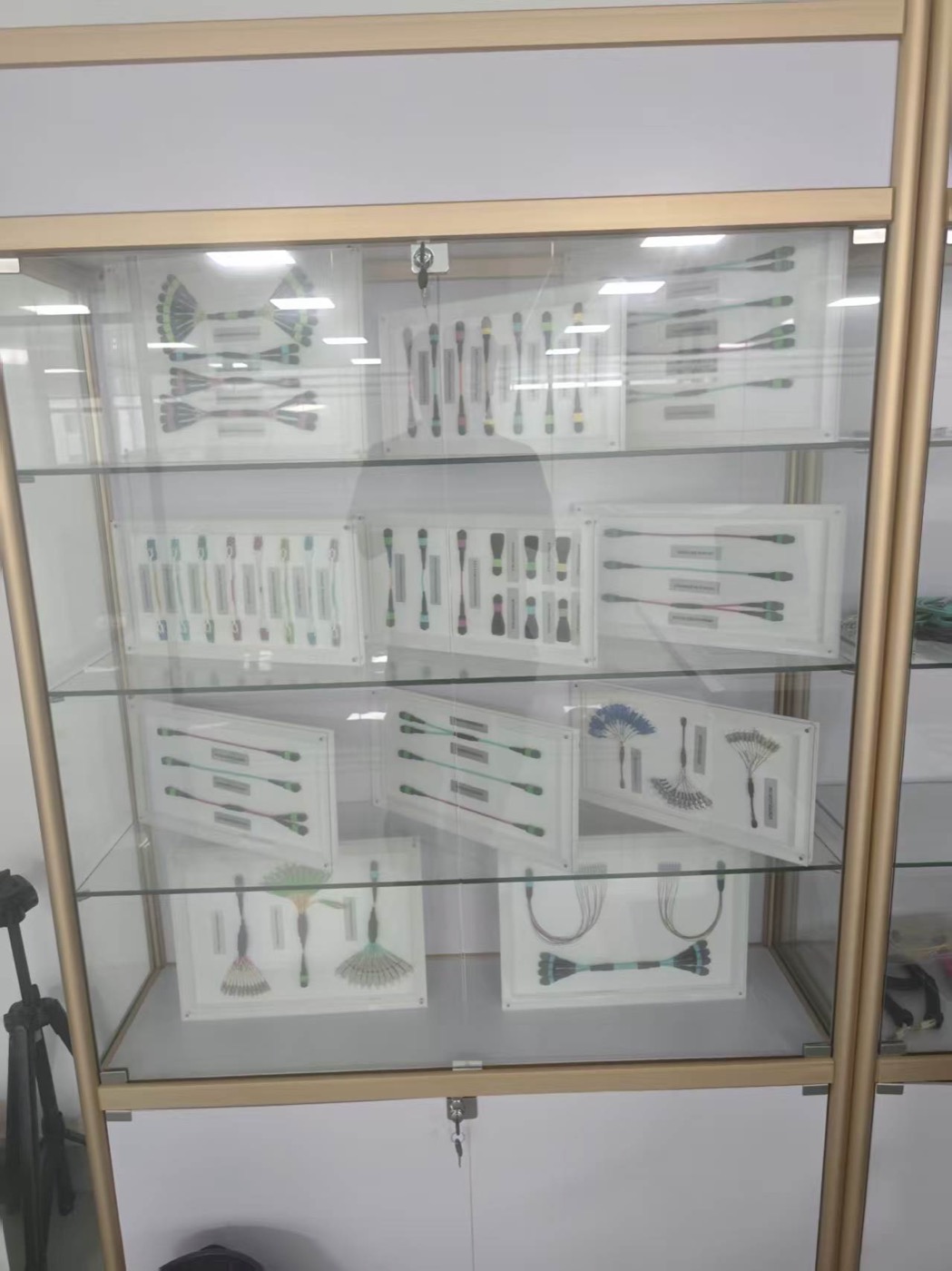
A cable assembly RFQ can contain patch cords, pigtails, MTP/MPO trunks, breakout harnesses or custom cable lines. These items may share a quotation, but they do not automatically share the same configuration or requested evidence. A useful handover gives every line an identity and a revision, then identifies which buyer-controlled requirement or project attachment applies to that line.
This approach makes fiber optic quality control a procurement conversation rather than an unsupported claim. It does not state that a particular test, certificate, result or production process applies. Instead, it gives the buyer a clean way to ask for the evidence their own project requires.
Build the RFQ in Two Connected Sections
RFQ Checklist for Fiber Cable Assembly Inspection Requests
- Line ID, document revision and quantity for each distinct assembly configuration.
- Assembly type: patch cord, pigtail, MTP/MPO trunk, branch harness, conversion cable or another defined assembly.
- Buyer-specified endpoints, connector/polish requirement, fiber requirement, cable details and length schedule.
- For high-density paths, the relevant MTP/MPO polarity guide, endpoint map, panel or cassette reference supplied by the project.
- The buyer's requested inspection, documentation, photo, label or packing reference, stated per applicable line.
- Required evidence format, attachment naming or approval route when the buyer has one.
- Related product lines only where required: MTP/MPO cable assemblies, fiber optic patch cords, fiber pigtails, adapters or panel hardware.
- Destination country, packing requirements and the buyer contact for questions or a revision response.
Common Mistakes That Make Quality Review Harder
Using one evidence note for several unlike products
Separate a patch-cord replenishment line from a multifiber trunk or a pigtail set. The buyer can still request a combined quotation, but distinct configurations need distinct specification and evidence references.
Leaving the applicable project reference unnamed
“Standard test” or “usual documents” does not tell a supplier which buyer requirement governs the request. Attach or name the relevant buyer-controlled drawing, requirement or format, and mark it pending if it has not yet been issued.
Turning a request for evidence into an assumed claim
A supplier-facing RFQ should ask for the buyer's required record; it should not infer certificates, inspection values, availability or acceptance results. Keeping the request separate protects a fair, reviewable comparison.
Related Items to Ask About Together
When a project genuinely includes connected products, show their relationships instead of placing them in an undifferentiated total. A buyer may include ODF and high-density patch panels for distribution points, fiber adapters and connectors for interface changes, or OEM fiber optic cable assembly requirements for buyer-controlled labels and packing. Each item remains its own line and reference.
FAQ
What should a fiber optic cable assembly inspection RFQ include?
Define each assembly line first, then separately state the buyer's requested inspection, documentation or packing evidence and the reference it must follow.
Why separate requested records from the product specification?
It prevents a generic evidence request from being mistaken for a cable specification or an acceptance criterion, while keeping both parts reviewable together.
Send a Controlled Assembly RFQ
Share the buyer-controlled BOM, drawing or line schedule, including configuration fields, requested evidence, packing requirements and destination. Lumafyn can discuss the relevant fiber cable assembly lines within the scope of your request.
Request RFQ Review