
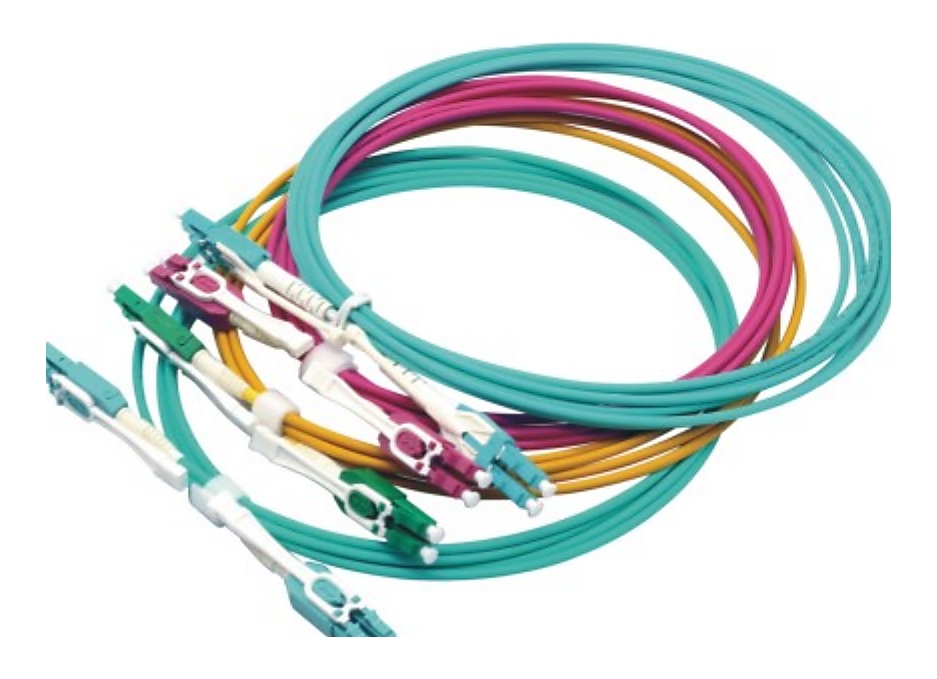
Start With a Reorderable Line, Not a Generic Cable Name
“LC patch cord” can describe many different order lines. A distributor replenishment list is easier to quote when it identifies the configuration that will be stocked or supplied onward, rather than using one description and a combined quantity. This also helps the buyer compare responses without assuming that connector, polish, fiber mode, jacket or length were interpreted the same way.
For a fiber optic patch cord supplier, the most useful RFQ is a clean line schedule: each requested configuration, its quantity and the purchasing details that apply to that line or the overall order. It is a sourcing record, not a substitute for an application drawing where one is needed.
Patch Cord Replenishment Line Checklist
Build a Simple, Comparable Order Sheet
A practical replenishment sheet can use columns such as line reference, connector at each end, polish, fiber type, jacket, length, color, quantity and notes. Keep fields blank only when they are genuinely not part of the request. If a configuration differs in length, connector, polish or fiber mode, treat it as a separate line instead of adding it to a mixed total.
For an LC patch cord supplier RFQ, this structure is useful for ordinary duplex cords and for LC uniboot cable assemblies. For an SC/APC order, recording the polish beside the connector avoids the common shortcut of using “SC cable” as though it defines the complete line.
Common Replenishment RFQ Errors
- Combining different fiber modes or lengths under one quantity without individual line references.
- Using a single connector name when both ends or the required polish have not been stated.
- Reusing an old item code without confirming whether its length, jacket, color or packing requirement still applies.
- Putting label, bag, carton or private-label instructions only in an email subject instead of the order notes.
- Adding adapters or pigtails into the patch cord total rather than giving them their own lines and specifications.
- Omitting the destination country or the latest BOM revision when the order will be reviewed against project documents.
Related Lines Worth Checking Before You Send
Do not add unrelated products merely to make an RFQ longer. But when the same purchasing event includes connected passive components, separate related lines give the supplier useful context and give the buyer a more complete comparison set.
- SC, LC and hybrid fiber adapter sourcing when adapter interfaces are being replenished with the cords.
- ODF pigtail sets for panel or splice-side work that shares connector and fiber requirements.
- MTP/MPO cable assembly supplier lines when the order also includes high-density data center connections.
- OEM fiber optic cable assembly requirements if packaging, labels or model references need a documented review.
Copyable RFQ Checklist
- SKU or line reference for every configuration
- Connector type at both ends and required polish
- Fiber mode, cable diameter and jacket material
- Length, color and label requirement for each line
- Quantity by SKU, packing instruction and destination country
- Related adapter, pigtail or MTP/MPO lines when in the same purchase scope
- Current BOM, specification sheet or drawing revision